
Why School Emergency Communication Failed at Uvalde — and How It Must Change
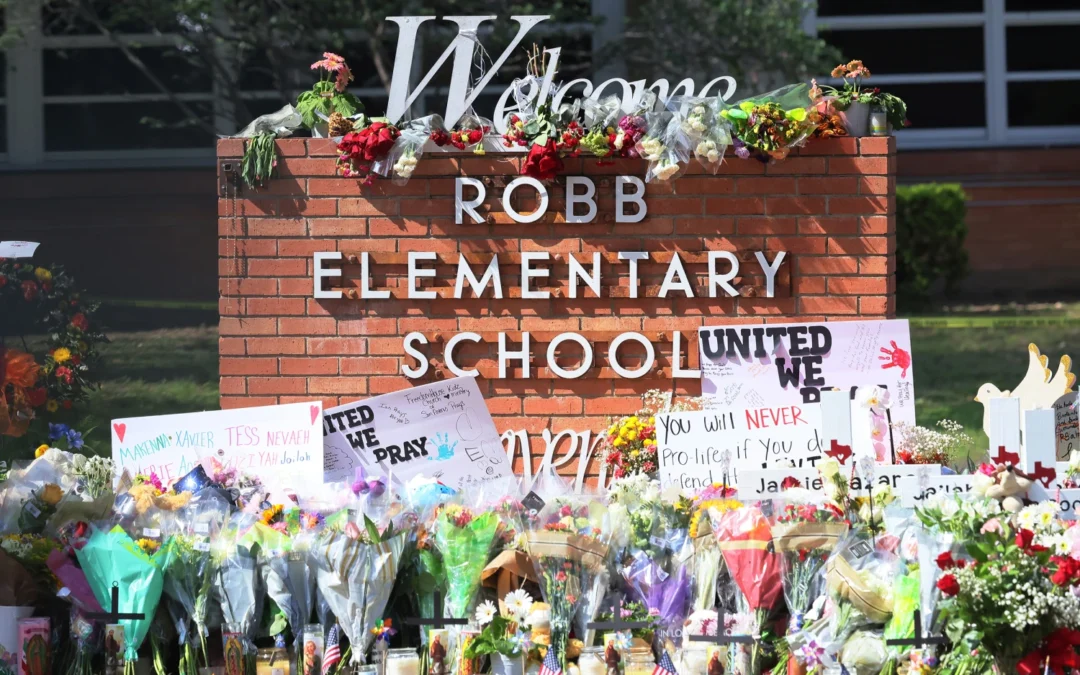
Former Uvalde, Texas, school police officer Adrian Gonzales pleaded not guilty today to 29 counts of child abandonment, stemming from his alleged inaction during the 2022 Robb Elementary School massacre. The indictment accuses Gonzales of placing children in imminent danger of serious bodily injury by failing to engage, distract, or delay the shooter while lives were being lost.
As widely reported, 77 minutes elapsed from the time law enforcement first arrived on scene until a tactical team breached the school and fatally shot the attacker. During that time, 19 students and two teachers were killed.
The former Uvalde school district police chief, Pete Arredondo, is also facing criminal charges.
At In Force Technology, we recognize that the Uvalde community continues to carry profound and lasting trauma. This article is not about reopening wounds. It is about ensuring that teachers are never unheard, unconnected, or isolated again during a life-threatening emergency.
One of the most devastating aspects of Uvalde was not simply the failure to act—it was the failure to clearly understand what was happening inside the school. Had teachers or faculty members possessed true, two-way, real-time emergency communication—such as IN FORCE911—it would not have guaranteed police action. But it would have removed every remaining excuse for inaction and very likely shortened the time required for command to assert control.
Real-time, staff-initiated emergency alerts would have provided unified situational awareness, reduced radio congestion, enabled dispatch to actively support responders, and prevented catastrophic misclassification of the incident as a “barricaded subject” rather than an active shooter event. Information saves time. Time saves lives.
Unfortunately, Uvalde was not an isolated failure.
According to the K–12 School Shooting Database, which tracks all incidents in the United States involving a firearm brought onto school property or discharged at school, 336 school shooting incidents occurred in 2024, followed by 233 incidents in 2025. The trend is clear: while schools cannot eliminate every risk, preparedness dramatically reduces harm when violence occurs.
In active violence incidents, Response and Recovery are the two most effective levers for reducing loss of life. Preparation is not about fear—it is about clarity, coordination, and speed when seconds matter most.
IN FORCE911 is the nation’s only one-touch emergency alert system that allows school staff to instantly notify law enforcement and first responders during a serious emergency—bridging the gap between those under threat and those sworn to protect them.
Uvalde stands as a painful reminder of what happens when communication fails. The responsibility now—shared by educators, administrators, law enforcement, and policymakers—is to ensure that silence, confusion, and delay are never again allowed to dictate outcomes.
